Il-Majjistral Nature & History Park is Malta’s wild northwest coastline, protected for its cliffs, clay slopes and quietly beautiful plant life. It suits walkers and nature spotters who would rather follow rough coastal paths than fight for space on a sunbed, and it is at its loveliest when the flowers are out.
Your experience depends first on season and wind. The best period to see many species in flower is late winter to spring, when orchids, asphodel and borage show across the garrigue and steppe. In summer the park is bleached and hot, good for sea breezes and quieter coves while the main beaches at golden bay ghajn tuffieha and armier bay are busy. Much of the habitat is relatively inaccessible, so expect uneven ground, loose scree and a hike rather than a stroll. If your idea of Malta is dramatic coastline, compare this with the cliffs further south at dingli cliffs or the raw headland at fomm ir rih, but Majjistral is easier to combine with a swim and a late lunch in mellieha village.
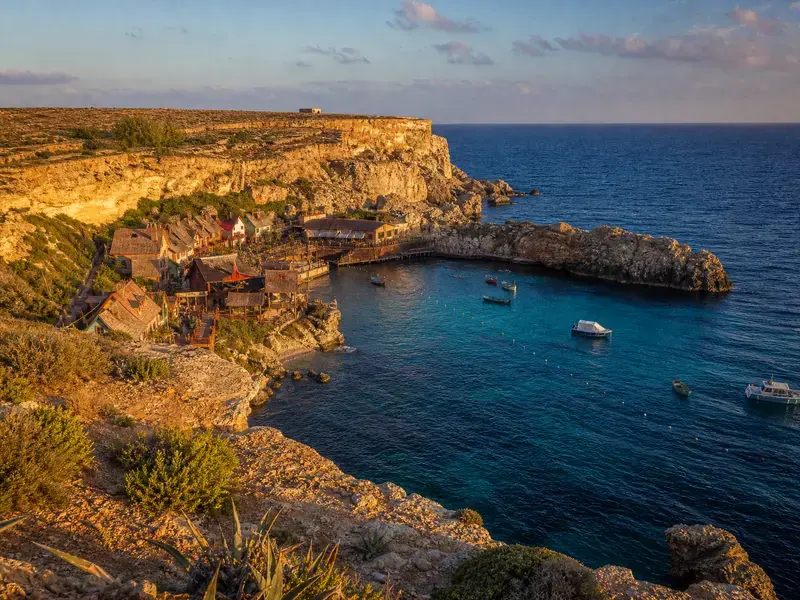
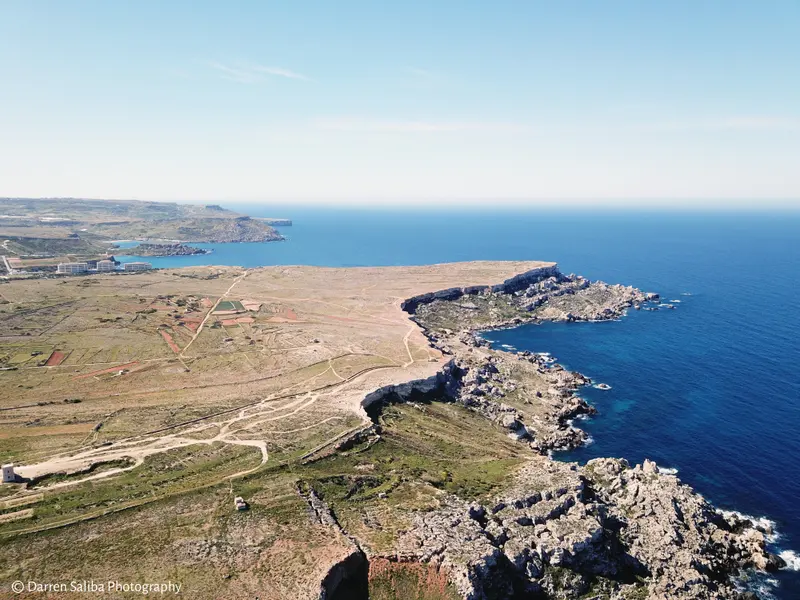
The park runs from Golden Bay (Il-Mixquqa) to Il-Prajjet and Ix-Xagħra l-Ħamra. It protects 6 km of coastline. It sits in the middle of a Natura 2000 stretch of coast and, administratively, within Mellieħa. If you are based around anchor bay or the popeye village viewpoint, the southern end is on your doorstep, while ghadira nature reserve is just beyond the northern ridges.
Its name comes from the majjistral, the northwesterly wind. That same wind shapes your day here, whipping whitecaps below the cliffs and cooling the exposed paths. On calm days in late winter and spring you can linger to pick out species in flower, and on blustery ones you keep to the lee side of the ridges and watch the sea from above.
It was declared a national park by Legal Notice 251 of 2007 in September 2007. The site is a Special Area of Conservation under Natura 2000, and it is managed by Nature Trust – FEE Malta. Direct conservation work includes reducing erosion and planting species appropriate to the habitat, and the big picture is simple, regulate and control damaging activities so the coast can recover from pressure.
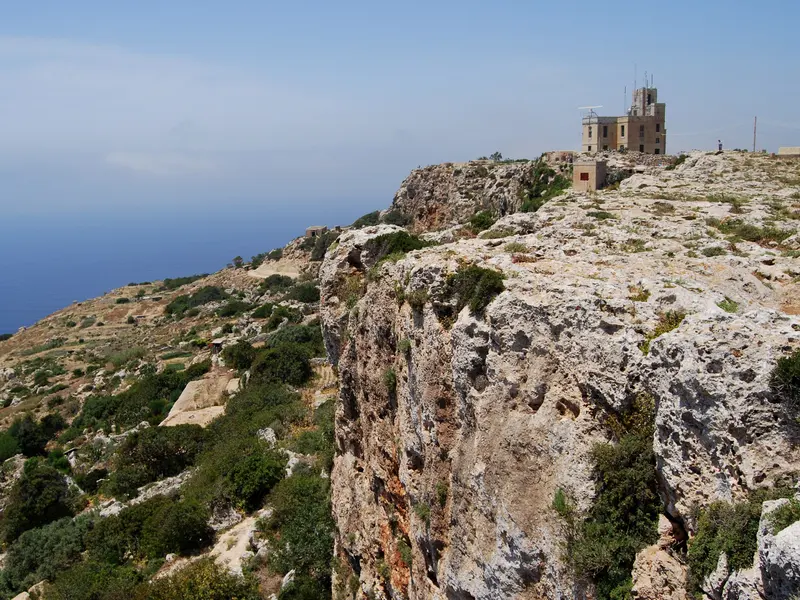
The bedrock is clay beneath upper and lower coralline limestone. Expect clay slopes, boulder scree and cliffs, a classic northwest Malta profile that tumbles to small inlets. Boulder scree provides a habitat for flora, with pockets of soil holding onto moisture just long enough for annuals to complete their short season.
Clay slope formations, sand dunes, water courses and macquis/garrigue occur here. Sandy beaches here form when eroded sand is washed ashore, so the little strips you find at the coves shift with the seasons. Esparto grass spreads by sea and by rhizomes, and its rhizomes help protect clay from erosion, pinning the steppe together where feet and rain would otherwise tear it up.
Much of the habitat is relatively inaccessible, which is part of the appeal. Stick to established paths where you can, take your time on the looser scree and give the plants space in the more fragile dune pockets. If you only have half a day, make a loop from Golden Bay to the Il-Prajjet side and back, then compare this coast with the man-made coves at popeye village or save your swim for the clearer water at the outer reefs by cirkewwa diving.
Spring is when Il-Majjistral answers plant lovers. The common pyramidal orchid is the park's symbol and one of the commonest orchids, its flowers ranging from pale to dark pink or purple. The conical orchid flowers in late winter, so look for the earliest spikes from around February if the season is mild. Branched asphodel flowers in winter and spring, rising from bare-looking ground into stands of white. Borage flowers in winter and spring too, the bristly leaves telling you you have the right plant long before the blue stars open. Barbary nut iris is very common here, and its flowers famously open early in the afternoon and close again towards evening.
Two small specialists reward a slower eye. Blue stonecrop grows in shallow rock pools and depressions in the garrigue. Blue stonecrop is a succulent annual that flowers in spring, often flushing reddish in dry spells. Dodder appears as red filaments and is parasitic, and you will most often notice it draped over sturdier hosts like sea squill. African tamarisk grows up to 5 m and has white flowers late winter to early spring, a salt-tolerant shrub that marks the harsher corners of the coast.
Indigenous wild trees are rare and occur near the sea, reminders of how narrow Malta’s strip of truly native woodland has always been. Treat every patch as if it were a nursery bed and it will look after itself.
If you are collecting coastal walks, do this together with gnejna bay over the ridge to the south, or swing north for a swim at mellieha bay. If you are planning a wider island day, the boat colours of blue lagoon comino and the caves at santa marija caves and crystal lagoon make a completely different day out once you have had your fill of clay, orchids and wind.
Common questions
Is Il-Majjistral good for families with small children?
It is beautiful but much of the ground is uneven and exposed. Much of the habitat is relatively inaccessible, so it suits walkers comfortable on rough paths more than prams or toddlers.
Can I swim in the park?
There are small coves and rock entries along the coast and sandy beaches here form when eroded sand is washed ashore. Always check the sea state and wind before committing, and prefer lifeguarded beaches at [golden bay ghajn tuffieha](/golden-bay-ghajn-tuffieha) if in doubt.
When do the flowers peak?
The best period to see many species in flower is late winter to spring. Orchids, asphodel and borage are highlights, with plenty else if you slow down and look.
Last checked: 29 October 2026. Prices, opening hours and timetables change, verify anything time-sensitive before you travel. Photo: Majjistral Park, CC BY-SA 4.0.