Għadira Nature Reserve is a small, fully protected wetland behind Mellieħa Bay where you watch birds from two simple hides. The reserve is open September–May and entry is free, with donations welcome.
Set between the beach and low sand dunes, this is the easiest place in Malta to see waders, herons and winter visitors without leaving the bus route or hiring a car. You come for quiet time in the hides and a realistic chance of seeing something new on passage, not for a long hike. Most birds you see here are migrants, so what turns up depends on the season and the weather the week you visit.
What it is: a managed brackish lake and saltmarsh created where a saltwater coastal basin meets the dunes. Paths lead to two bird-watching hides, one by the reservoir and one in a tamarisk grove. It is managed by BirdLife Malta and protected as a bird sanctuary and Ramsar site, so you stay on marked paths and keep voices low.
What your visit depends on: if you are a birder, you will plan for spring and autumn movement, or winter for ducks and grebes. Casual visitors do well on weekend mornings in season when the hides are open longer. Families will find it short and sweet, a calm contrast to mellieha bay across the road. If mobility is limited, note the current access situation below before you commit.
How to get there: the reserve sits on Triq Il-Marfa, Għadira Bay, Mellieħa, directly behind the main beach and signed from the roadside. Bus routes 37, 41, 42, 221, 222 and X1 stop at 'Għadira'. If you are driving from St Paul’s Bay or the coast road, follow signs for Mellieħa and continue down to the bay on Triq Il-Marfa, watching for the reserve gate on the inland side. From Cirkewwa follow Triq Il-Marfa towards Mellieħa for a few minutes and look for the same gate on your right.
Parking: Parking is available. On fine weekends the beach car parks can be busy, but the reserve’s short hours and focused visit mean spaces tend to turn over quickly.
Opening times and season: The reserve is open September–May. In season (Sept–May) weekday hours are Mon, Wed, Fri 13:30–17:00. Weekend hours are Sat & Sun 10:00–16:00. Outside these times the gate is shut.
Entry fees and booking: Entry is free, with donations welcome. You do not need a ticket for a standard visit. Guided tours are available November–May, volunteer-led by BirdLife Malta, which are worth joining if you want help with identification or context.
Accessibility: Access was previously only via a flight of steps. It was not accessible to wheelchair users. A new accessible bird-watching facility for wheelchair users is being added, with completion due March 2025. If step-free access matters to you, check the latest before travelling.
Trails, hides and photography: Paths are short and level once inside, with benches in the hides. The reservoir hide suits winter photography of Kingfisher, Little Grebe, Moorhen and the shyer Water Rail. In spring the same area can pull in herons, Common Sandpiper, Little Ringed Plover and Common Snipe. The tamarisk grove hide is better for small birds, with Moorhen and Water Rail seen regularly, Yellow Wagtail, Chiffchaff and Robin present year-round, and in winter Common Stonechat and the occasional Bluethroat. There are no long loops here, just time to sit and watch as birds drop in and out.
What it’s like: small, quiet and surprisingly wild for somewhere beside Malta’s busiest beach. The habitat is a mix of brackish lagoon and saltmarsh edged by native tamarisk and low dunes, so bring a layer when the wind is off the bay. You share space with insects and wildflowers as much as birds, and patience is rewarded when a wader walks out from the reeds into clear view.
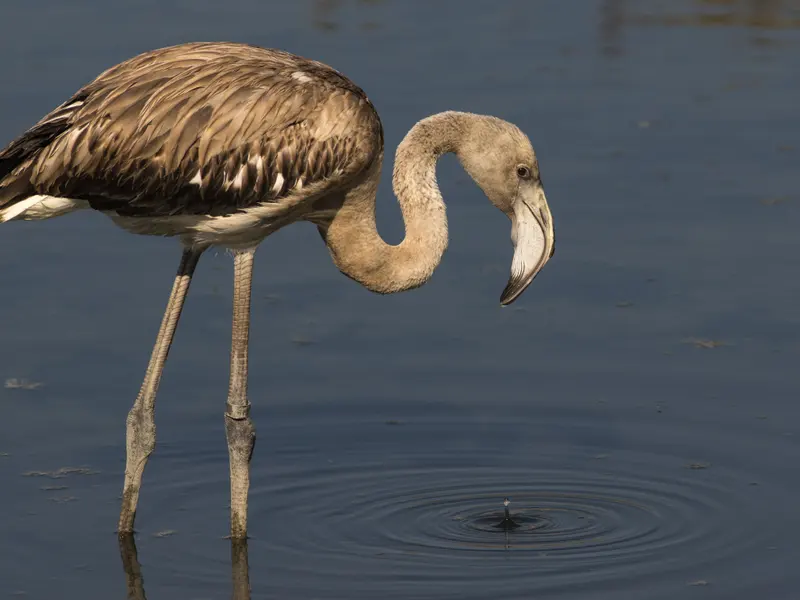
Wildlife to expect: around 140 species are recorded over a year, with redshanks, snipes and herons regular on passage. Black-winged Stilt and Little Ringed Plover breed in spring. If you are lucky you might catch Eurasian Spoonbill or even a Greater Flamingo dropping in. Away from birds, Mediterranean killifish are abundant here, rabbits browse the margins and Mediterranean Chameleons turn up on warm days around the paths.
Rules and facilities: No pets are allowed and no smoking is permitted. As a sanctuary the reserve prioritises wildlife over visitor infrastructure, so plan to bring water and any snacks you need and pack binoculars if you have them. Keep voices low in the hides and step outside to take calls.
Guided and educational visits: Guided tours are available November–May, volunteer-led by BirdLife Malta. Regular school visits by school children also take place, which is great for conservation but can make the hides lively during a class session, so time your day accordingly.
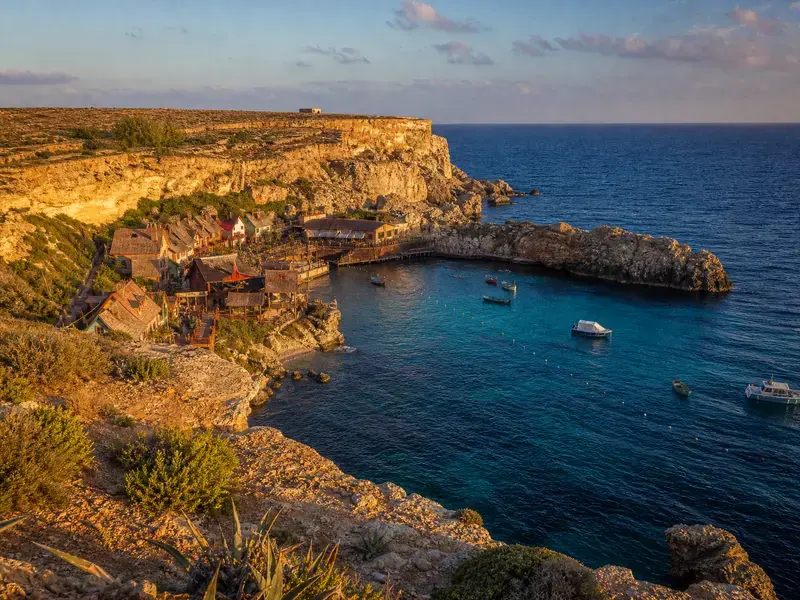
Pair it with the coast: When you finish, the sand and shallow water of mellieha bay are seconds away. For a classic cliff walk and a film set viewpoint continue to popeye village and the popeye village viewpoint above Anchor Bay. If you are heading for ferries or dives, combine it with cirkewwa diving or a gozo day trip. On calm days, boats to Comino’s blue lagoon comino and the crystal lagoon leave from nearby Marfa and Ċirkewwa.
Common questions
Is it open in summer?
No. The reserve is open September–May. Hours vary by day and season, so check times before you go.
Are dogs allowed?
No pets are allowed. This is a fully protected bird sanctuary and the rules are strict for wildlife welfare.
Can wheelchair users visit?
Access was previously only via a flight of steps. It was not accessible to wheelchair users. A new accessible bird-watching facility for wheelchair users is being added, with completion due March 2025.
Do I need binoculars?
Binoculars or a zoom lens help a lot. Birds often feed at a distance on the lagoon and saltmarsh, and the hides are set up for quiet viewing rather than close approach.
Last checked: 19 October 2026. Prices, opening hours and timetables change, verify anything time-sensitive before you travel. Photo: Hobbyfotowiki, CC0.